
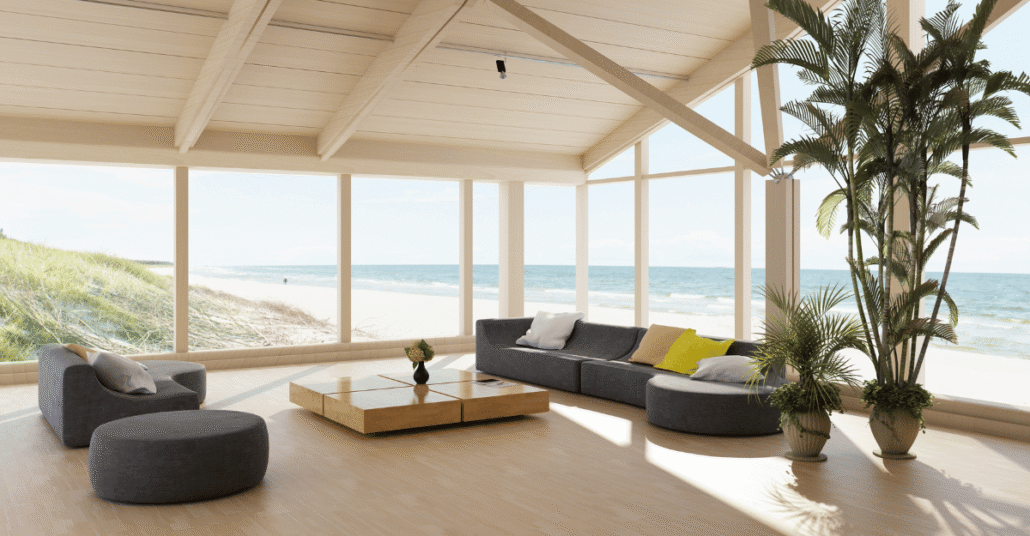
How Do You Probate a Beach House on Folly Beach, Kiawah, or Isle of Palms?
Inheriting a family vacation home along the South Carolina coast often brings a mix of deep nostalgia and sudden legal responsibility. Walking through a property on Folly Beach or Kiawah Island brings back memories of summer vacations, but the reality of transferring a deed quickly sets in. When a loved one passes away holding title to a coastal property, the home does not automatically transfer to the surviving family members. The estate must navigate the local court system through probate to clear the title, establish rightful ownership, and ensure all local taxes and assessments remain current.
When Does a South Carolina Coastal Vacation Home Require Probate?
Real estate only passes outside of the court system if the owner executed specific legal planning mechanisms before their passing. When a person purchases a secondary residence on the coast and places the deed entirely in their individual name, that asset becomes part of their probate estate upon death. Local title insurance companies will not authorize a sale or transfer until a judge appoints a personal representative to manage the property.
Many families discover that a parent or grandparent purchased a beach house decades ago without updating the legal title. In these situations, the court must validate the deceased person’s last will and testament to confirm who legally inherits the property. If the person died without a valid will, South Carolina statutes dictate the transfer. Probate is generally required under the following property ownership scenarios:
-
Properties titled exclusively in the decedent’s individual name at the time of their passing.
-
Real estate held as tenants in common, meaning the deceased owned a percentage of the home but lacked survivorship rights.
-
Homes left through a written will that requires formal court validation to take effect.
-
Properties left by an individual who died intestate, requiring a judge to determine the statutory heirs.
Handling these transfers requires careful attention to detail. The appointed executor or personal representative carries the fiduciary duty to secure the home, maintain its value, and eventually pass the deed to the intended beneficiaries. Rushing this process or attempting to sell the property before the court grants formal authority often leads to broken real estate contracts and severe legal complications.
What Is Ancillary Probate for Out-of-State Property Owners?
Ancillary probate is a secondary legal proceeding required when a deceased person lived in one state but owned real estate in another. If an out-of-state resident owned a beach house in South Carolina, their family must open an ancillary estate in Charleston County to transfer the property.
South Carolina’s coastal communities attract buyers from across the country. It is incredibly common for residents of Ohio, New York, or Pennsylvania to own vacation homes on Isle of Palms or Kiawah Island. When an out-of-state resident passes away, their family must open a primary probate estate in the county where the deceased lived. However, that out-of-state court holds no legal jurisdiction over real property located within the borders of South Carolina.
To transfer the coastal home, the personal representative must initiate an ancillary administration process. South Carolina Code Section 62-4-201 provides the legal framework for handling the local assets of non-resident decedents. This secondary proceeding bridges the gap between the primary estate and the local county records.
Families must obtain authenticated, certified copies of the primary estate documents—including the original will and the official letters of appointment—and file them with the local South Carolina court. Opening this secondary estate provides the personal representative with the specific, state-recognized authority required to sign a new deed. Without completing this localized legal requirement, the out-of-state family remains entirely unable to sell the vacation home or legally transfer the title to the next generation.
Which Court Handles Estates for Folly Beach, Kiawah, and Isle of Palms?
Geographic jurisdiction matters immensely in property transfers. Any real estate situated in the municipalities of Folly Beach, Kiawah Island, Seabrook Island, or Isle of Palms falls strictly under the authority of the Charleston County Probate Court. The court operates out of the Historic Courthouse located on Broad Street in downtown Charleston.
When a family begins the process of transferring a coastal home, they cannot file paperwork in a neighboring jurisdiction or a federal building. All formal petitions, asset inventories, and accounting records must go through this specific county division. The probate judge oversees the administration to ensure all state laws are followed and that no local creditors are ignored during the transition of wealth.
A personal representative handling a coastal property must submit specific documentation to this court, including:
-
A formal petition for formal or informal appointment, or a petition for ancillary administration.
-
Authenticated copies of out-of-state proceedings if the decedent lived elsewhere.
-
An inventory and appraisement detailing the fair market value of the local real estate.
-
Proof of public notice to potential creditors published in a local Charleston newspaper.
Partnering with a local legal team familiar with the Broad Street courthouse procedures helps out-of-state executors avoid repeated filing errors. Local attorneys understand the exact formatting requirements, filing fee structures, and scheduling preferences of the local judges, preventing unnecessary delays in securing the property title.
What Is a Deed of Distribution Under South Carolina Law?
A Deed of Distribution is the official legal document used by a personal representative to transfer South Carolina real estate from a deceased person’s estate to the rightful heirs. This instrument must be properly signed and recorded with the county Register of Deeds to establish clear title.
Transferring ownership of a vacation home does not happen automatically when a judge approves a will. The personal representative must take a deliberate, physical legal action to move the property out of the estate’s name and into the names of the individual beneficiaries. Under South Carolina Code Section 62-3-908, the tool used to accomplish this transfer is called a Deed of Distribution.
This specific type of deed serves as conclusive public proof that the estate administration has reached the point where real property can safely change hands. The personal representative signs the document in front of a notary and two witnesses. However, simply signing the paper is only the first part of the requirement.
To finalize the title transfer, the Deed of Distribution must be formally filed and recorded with the Charleston County Register of Deeds. Once the deed receives an official book and page stamp from the county clerk, the public land records reflect the new rightful owners. This recorded document is what title searchers, mortgage lenders, and real estate agents rely upon to confirm that the beneficiaries hold total legal authority over the property.
Failing to properly record this deed leaves a massive cloud on the property title. If the heirs attempt to secure hurricane coverage, refinance the mortgage, or list the house for sale without a recorded Deed of Distribution, the entire transaction will halt until the estate rectifies the missing paperwork.
How Does Intestate Succession Affect a Shared Family Beach House?
When an owner dies without a will, South Carolina intestate succession laws distribute the beach house among surviving spouses and children. This often creates fractional ownership among multiple relatives, which can complicate property management, maintenance cost-sharing, and decisions regarding selling the home.
Passing away without a valid estate plan is known as dying intestate. When this occurs, the state legislature writes a default will for the deceased person. South Carolina law dictates that an intestate estate is divided among the surviving spouse and biological or adopted children. While this sounds straightforward, applying percentages to a physical structure like a beach house creates immediate logistical problems.
Intestate succession frequently results in fractional ownership. For example, a surviving spouse might inherit half the home, while three adult children divide the remaining half. Suddenly, four distinct individuals own a single vacation property on Folly Beach. This shared ownership requires unanimous agreement on how to use, maintain, or sell the asset.
Disputes regularly emerge when siblings inherit a secondary home together. One sibling might want to keep the house for summer vacations, another might want to list it on a short-term rental platform, and a third might demand to sell the property immediately to cash out their share. If the fractional owners cannot reach a consensus, the situation can deteriorate rapidly.
When communication breaks down completely, one or more owners may file a partition action in civil court. A partition action formally requests a judge to force the sale of the shared real estate and divide the financial proceeds among the squabbling owners. This litigation drains the property’s equity through legal fees and court costs, highlighting why proper estate planning is vital for coastal real estate.
Can You Avoid Probating a South Carolina Vacation Property?
Property owners can avoid probating a South Carolina vacation property by placing the real estate into a revocable living trust, establishing a formal limited liability company, or titling the deed as joint tenants with right of survivorship prior to their passing.
Proactive property owners frequently seek ways to spare their families the time and expense of court proceedings. Bypassing the probate process entirely is highly achievable if the correct legal frameworks are established while the owner is still alive and mentally capable. Taking the time to structure ownership correctly ensures a seamless transition of the beach house to the next generation.
Effective methods for avoiding the local probate system include:
-
Creating a Revocable Living Trust: The owner executes a trust document and formally retitles the property deed from their individual name into the name of the trust. Upon their passing, the designated successor trustee takes immediate control of the home without requiring any court intervention.
-
Forming a Limited Liability Company (LLC): Many owners of Folly Beach and Isle of Palms rental homes place their properties into an LLC for liability protection. The operating agreement can dictate exactly how the membership interests transfer upon an owner’s death, bypassing real estate probate entirely.
-
Utilizing Joint Tenancy with Right of Survivorship: A deed explicitly titled with this specific legal phrase ensures that when one co-owner dies, their ownership share automatically and instantly absorbs into the surviving owner’s share. This is common between married couples.
These strategies require upfront legal coordination. Attempting a do-it-yourself deed transfer often results in missing the specific statutory language required to create a valid right of survivorship or properly fund a trust, which inadvertently forces the family right back into the probate court.
How Do Property Taxes and HOA Fees Impact the Probate Timeline?
During the probate process, the estate or the intended heirs must continue paying property taxes, insurance premiums, and homeowners association fees for the beach house. Falling behind on these local coastal assessments can result in liens or foreclosure before the property title is fully transferred.
The administrative wheels of the court system move slowly, but the financial obligations tied to coastal real estate never pause. A secondary residence carries significant holding costs that must be managed diligently while the family waits for the legal authority to distribute the asset.
Properties located within exclusive communities require continuous attention. The Kiawah Island Community Association (KICA), for example, enforces strict assessment schedules and maintenance standards. If the estate fails to pay these required community fees, the association can place a lien against the home, severely complicating the final transfer. Similarly, coastal properties demand robust wind, hail, and flood insurance policies. Allowing these policies to lapse during the hurricane season while the estate is open exposes the family to catastrophic financial loss.
The personal representative holds the legal duty to identify estate funds and pay these ongoing bills. If the deceased person’s bank accounts are frozen or lack sufficient liquid cash, the intended heirs may need to temporarily fund the property’s maintenance out of their own pockets. The representative must carefully track these out-of-pocket contributions so the heirs can be reimbursed from the estate’s assets before the final accounting closes.
When Should You Hire a Charleston Estate Administration Attorney?
Managing the legal transfer of a high-value coastal property involves tight deadlines, complex paperwork, and coordinated efforts across state lines. Our skilled attorneys at De Bruin Law Firm understand the deep emotional and financial realities families face when managing a loved one’s final affairs.
We regularly represent local residents and out-of-state executors in the Charleston County Probate Court, working efficiently to protect estate assets and execute valid property transfers. We believe in complete fee transparency, offering straightforward hourly or flat-fee arrangements depending on the complexity of the administration, so you know exactly what to expect from the start.
If you are tasked with managing a property on Folly Beach, Kiawah Island, or Isle of Palms after a family member’s passing, do not attempt to handle the local court system alone. Contact us today at (864) 982-5930 to schedule a free consultation.
Frequently Asked Questions About Coastal Property Probate
Do I have to travel to South Carolina to probate an ancillary estate?
No, physical travel to the local courthouse is rarely required for routine property transfers. An experienced local attorney can file the necessary ancillary paperwork, communicate with the court clerks on your behalf, and mail the Deed of Distribution to you for proper notarization in your home state.
How long does it take to transfer title to a Folly Beach home?
The timeline depends heavily on whether the estate is going through a full primary administration or a targeted ancillary process. A standard ancillary transfer involving an out-of-state will typically takes several months to process the documents and record the final deed with the county.
Can we rent out the inherited vacation home during probate?
The personal representative holds the authority to manage the property, which can include maintaining existing short-term rental reservations to generate income for the estate. However, they must ensure the home carries appropriate commercial liability insurance and maintains all required municipal rental licenses.
Who pays the mortgage on the beach house while the estate is open?
The estate is primarily responsible for covering ongoing mortgage payments using the deceased person’s liquid assets. If the estate accounts lack sufficient funds, the beneficiaries intending to inherit the home usually step in to make payments to prevent the bank from initiating foreclosure proceedings.
What happens if the heirs disagree on selling the Isle of Palms property?
When multiple heirs inherit a property together and cannot agree on whether to keep or sell it, the dispute often ends in a civil partition action. A judge will evaluate the case and can ultimately force the public sale of the home, dividing the final financial proceeds among the legal owners.









Leave a Reply
Want to join the discussion?Feel free to contribute!